Last Updated: June 6, 2026
Temecula was less than a two-hour drive north from Santee Lakes. Over the past 25 years we had explored many of the wineries in the Temecula Valley, watching the region mature into something genuinely impressive. Not only has the quality of the wine improved considerably, but so has the culinary scene — and, inevitably, so have the tasting fees.
Temecula Valley Wine Country
Visitor Information: Temecula Valley Wine Country is centered along Rancho California Road, Temecula, CA 92591, approximately 60 miles north of San Diego and 90 miles southeast of Los Angeles. The region has over 40 wineries. Tasting fees: Typically $20–30 per person per winery. Website: temeculawines.org.

The history of winemaking in Temecula runs deeper than most visitors realize. The Spanish missions of California — a series of 21 missions established between 1751 and 1833 — planted vine cuttings at each location as they advanced northward, laying the earliest foundations of California wine culture. Temecula itself was a stagecoach stop in the 1800s, a time when Southern California dominated the state’s wine industry. Commercial production didn’t begin in Temecula until the 1970s — Callaway Winery opened in 1974 — and by 1984 the area had earned its official “Temecula Valley AVA” designation. Today it is the largest wine-producing region in Southern California.
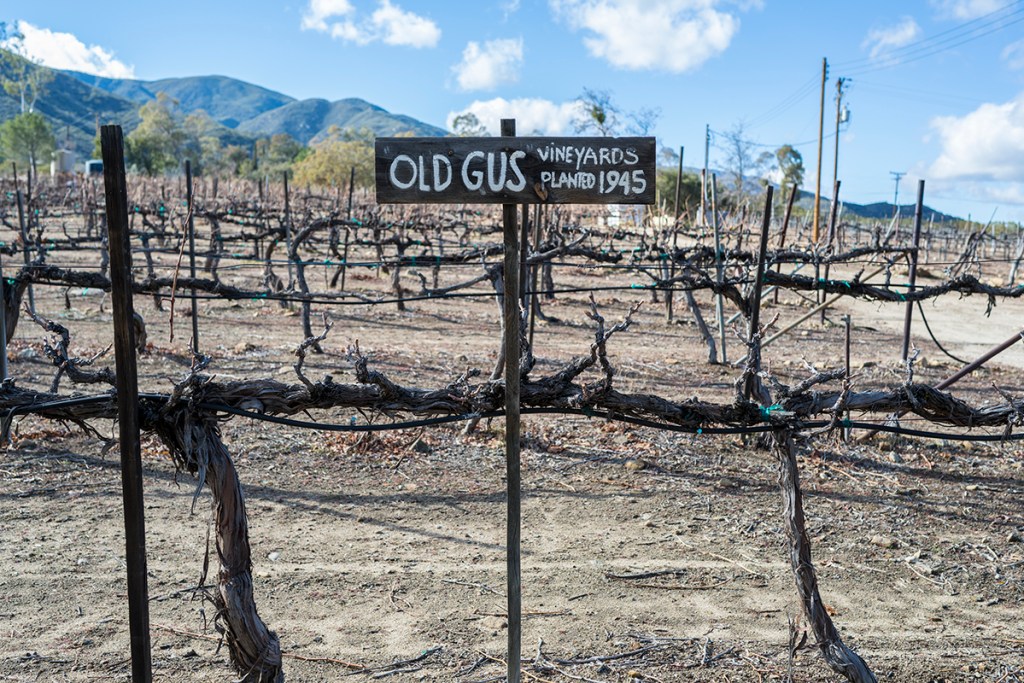
Other major California wine regions have historically been dismissive of Temecula, but our experience over 25 years tells a different story. The quality has improved steadily and the region deserves serious consideration. The setting helps — rolling hills at around 1,000 feet elevation, with the surrounding mountains rising to over 11,000 feet providing a dramatic backdrop to the acres of vines. Southern California’s enormous population base means the wineries draw enthusiastic crowds, and most have risen to the occasion with outstanding food programs alongside their wines.

We paced ourselves to one winery per day, focusing on a handful of favorites rather than trying to cover everything. Danza del Sol was a particular highlight — their Meritage was excellent. The unhurried approach made for a much more enjoyable visit than rushing through half a dozen tastings in a single afternoon.
Pechanga RV Resort
Visitor Information: Pechanga RV Resort, 45000 Pechanga Pkwy, Temecula, CA 92592. Phone: (951) 770-8514. Website: pechanga.com/rvresort. Full hookups, pool, two hot tubs, dog park. Costco and numerous restaurants nearby.

Pechanga RV Resort is part of the Pechanga Resort Casino complex and proved to be an excellent base for wine country exploration. The park has 168 spacious full-hookup sites with decent WiFi, a pool, two hot tubs, and a well-run dog park that Jake took full advantage of on his daily walks around the property. Costco and a wide range of restaurants are just minutes away — very convenient after more remote desert camping.
Warner Springs Wine Country

One day we ventured south to Warner Springs — a smaller, less-developed wine community in San Diego County at around 3,000 feet elevation, about 40 miles from Temecula. The wineries out here are more rugged and unhurried, and the wines are genuinely good — worth the detour for anyone who wants to get off the main wine trail. Along the way we stumbled upon a roadside metal sculpture fabricator displaying enormous wings and larger-than-life figures. Sandy posed with the wings for the photo; Michael maintains she is no angel.
Practical Tips
Limit yourself to one or two wineries per day. The temptation is to pack in as many tastings as possible, but the experience is far better — and the wine more enjoyable — when you slow down. Most of Temecula’s top wineries pair food with their tastings, making it easy to turn a single stop into a leisurely afternoon.
Visit on a weekday if possible. Temecula Wine Country draws large crowds from Los Angeles and San Diego on weekends, particularly in spring and fall. Weekday visits are noticeably quieter and the winery staff have more time for you.
Don’t overlook Warner Springs. The wineries around Warner Springs are less known and less crowded than Temecula proper, but produce excellent wines at 3,000 feet elevation. Worth a half-day side trip.
Pechanga RV Resort books up quickly. Being attached to a major casino resort means high demand year-round. Book well in advance, especially for weekend stays.
Designate a driver. The wine road covers a lot of ground and the wineries are spread out along Rancho California Road and surrounding routes. Plan your route ahead and make sure someone in the group stays sober for the drive back.
Frequently Asked Questions
How many wineries are in Temecula Wine Country? Temecula Valley Wine Country has over 40 wineries, most of them clustered along Rancho California Road. The area received its official AVA (American Viticultural Area) designation in 1984 and has grown steadily since. It is now the largest wine-producing region in Southern California.
What types of wine does Temecula produce? Temecula’s warm days and cool Pacific-influenced evenings support a wide variety of grapes. Cabernet Sauvignon, Merlot, Syrah, Viognier, and Sauvignon Blanc are among the most widely planted. Many wineries produce Meritage blends and Rhône-style wines with excellent results.
How far is Temecula Wine Country from San Diego? Temecula is approximately 60 miles north of downtown San Diego — about a one-hour drive via Interstate 15. It makes a very easy day trip from San Diego or a weekend getaway.
Is Pechanga RV Resort good for families and pets? Yes — the resort offers full hookups, a swimming pool, two hot tubs, and a dog park. It is adjacent to Pechanga Resort Casino with easy access to restaurants and shopping. Pets are welcome and the dog park is well maintained.
Is Temecula Wine Country worth visiting if you’ve been to Napa or Sonoma? Absolutely — the wines and setting are different but genuinely good on their own terms. Temecula offers a more relaxed, Southern California atmosphere with excellent food pairings, mountain scenery, and far less pretension than Northern California’s more famous regions.